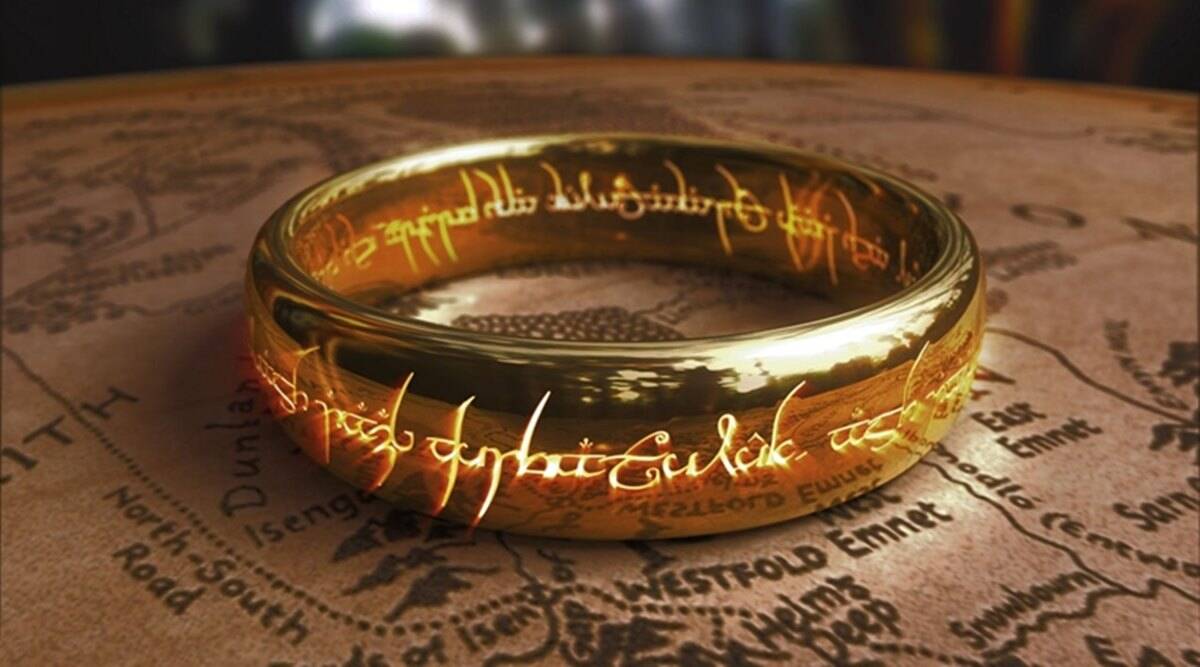
Creating Middle Earth
In researching visual effects, one thing that has caught my interest is the use of miniatures. In particular, the way Peter Jackson utilised them in the Lord of the Rings trilogy.

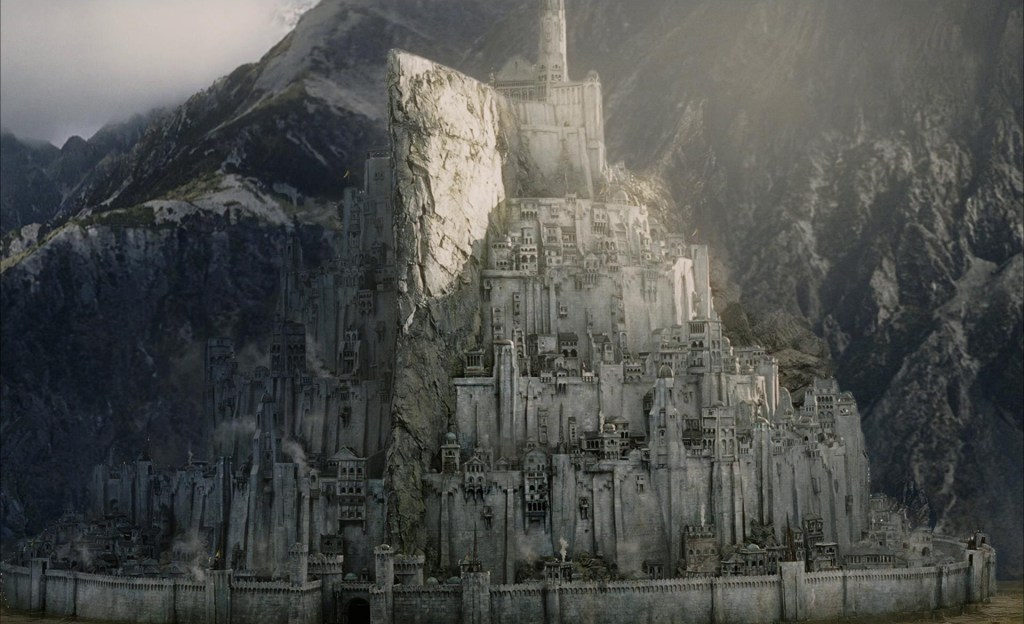
Even though miniatures have been used in franchises such as Star Wars and Indiana Jones, Lord of the Rings used them to a different extent, as shown in the images above.

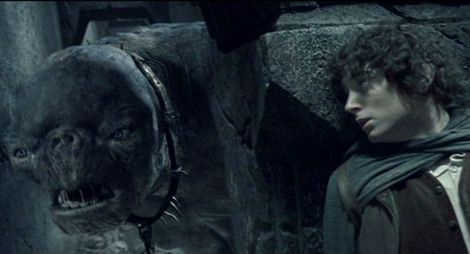

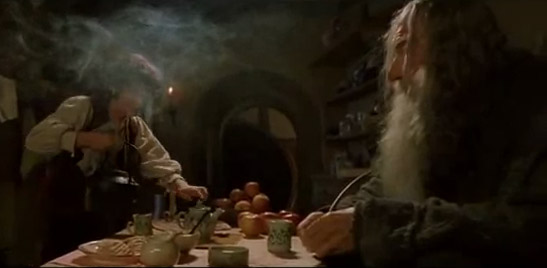
In an age where visual effects artists had to use forced perspective and scanning physical models to get the looks that they wanted in the film, the team working on Lord of the Rings had to use miniatures to depict the grandeur that JRR Tolkien wrote about in his books. However, for Lord of the Rings the production team made some of the biggest miniatures in film history.
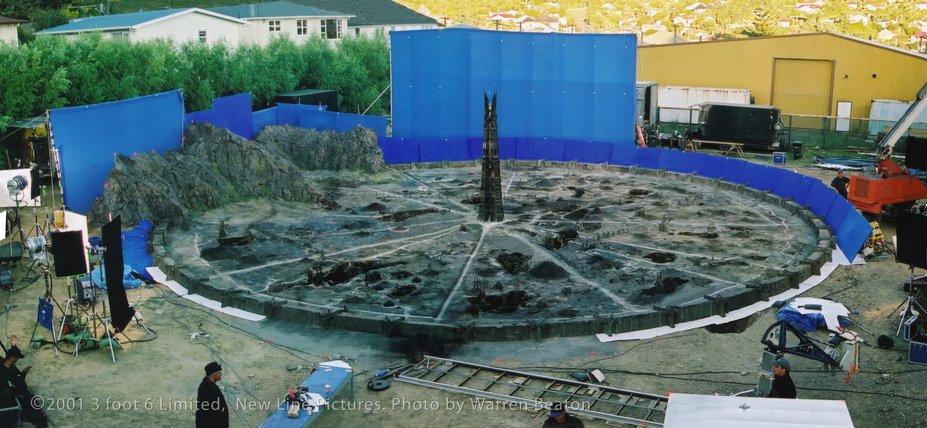
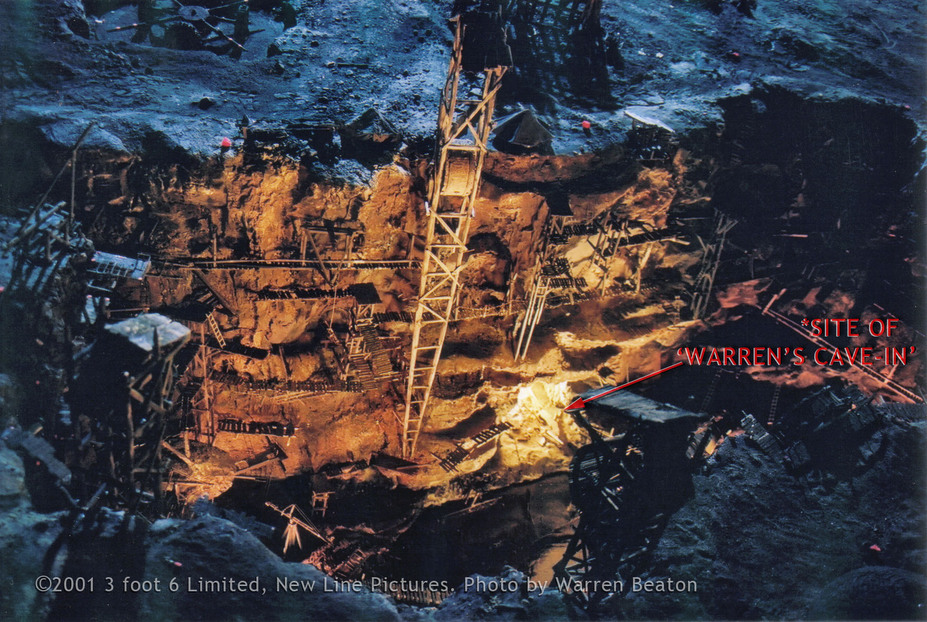
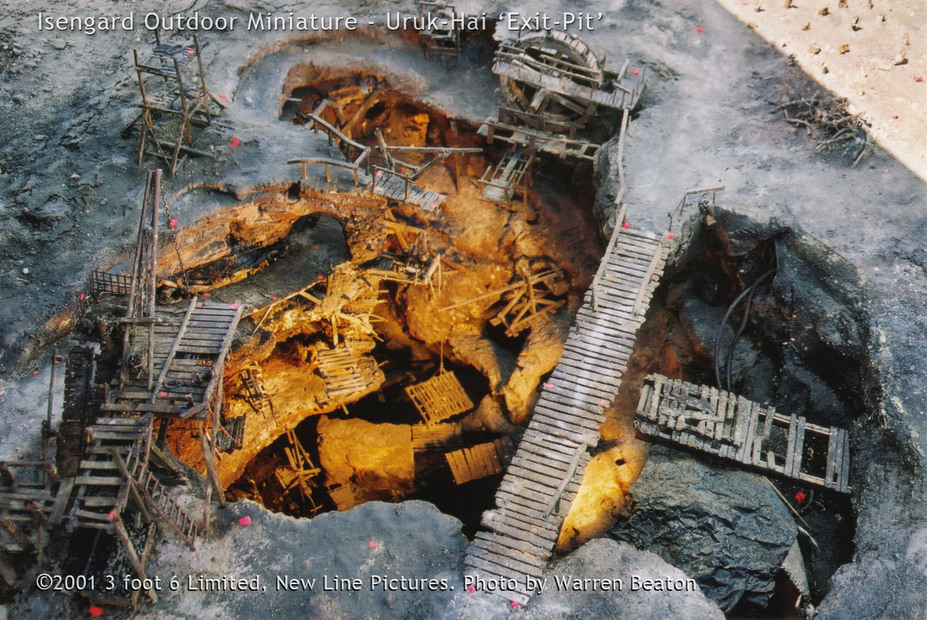
An example of this is the Isengard miniature which was built in the car park of WETA Workshop and measured approximately 60 feet across.
This was so big that, for the establishing shot, they were able to pass a small camera through the miniature to show the scale of it. WETA then added computer generated characters into the shot to make it more dynamic and less static.
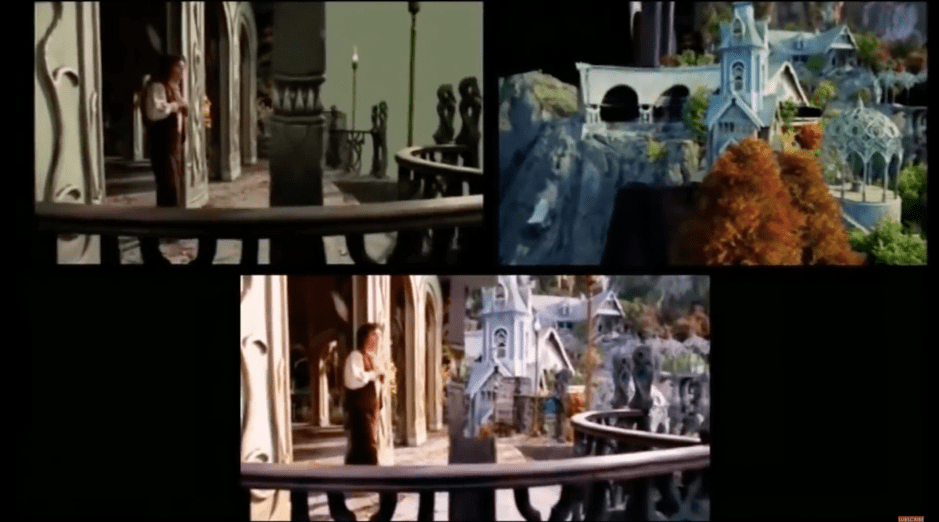
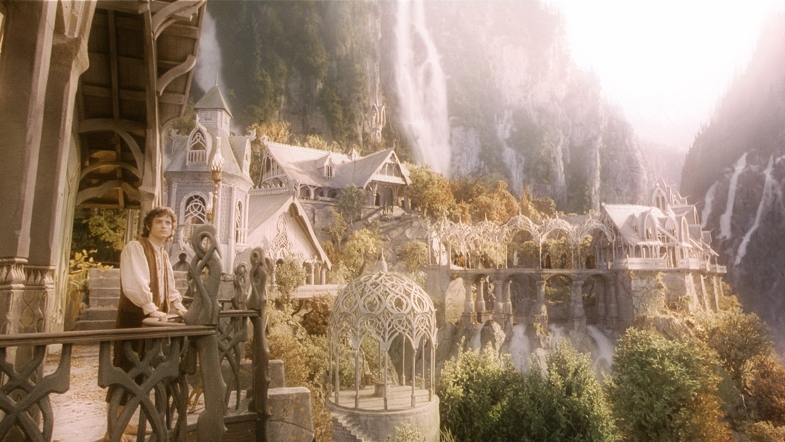
This shot of Frodo (Elijah Wood) walking out onto a balcony is the perfect example of how the visual effects team for Lord of the Rings pieced different elements together to capture, both, JRR Tolkien’s and Peter Jackson’s vision.
This was accomplished by shooting Frodo on the balcony, on a set with a green screen in behind with a motion controlled rig. They then shot an identical shot of the miniature for the background. However, this would have been too still. So, to make things more dynamic they shot extras on a blue screen and added them into the bridge in the background. The visual effects team also added birds and leaves. Finally to make this shot seem real, waterfalls were added in. These waterfalls were literally made by pouring salt.
These are just some of the elements that contributed to building Middle Earth in the Lord of the Rings films.
 Michael Berryman VFX